How to Market for Patient Wellness and ACOs
Over the past few years, the concept of healthcare value has been given more of a spotlight. Now, with the
Over the past few years, the concept of healthcare value has been given more of a spotlight. Now, with the
On January 18, 2017, the final rule of Section 508 of the Rehabilitation Act was published in the Federal Register.
HIPAA regulations apply to you if you are a Covered Entity and if you collect electronic Personal Health Information using
While the transition to HTTPS has been something pushed by digital marketers for quite some time, Google recently released a
So today, there are many options when it comes to developing a website for your medical practice or healthcare organization.
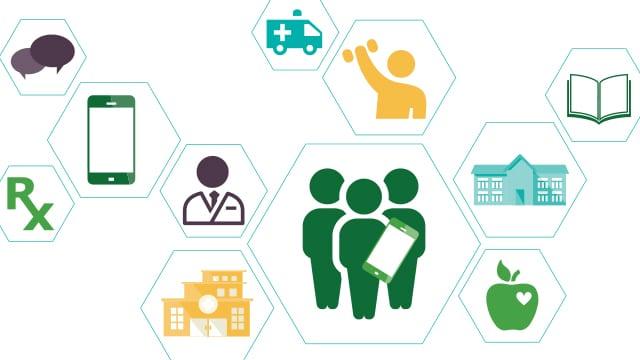
For organizations that operate within the U.S. healthcare system, change has become inevitable. Several major market forces are converging to
Most of the web’s traffic routes over a standard open protocol called HTTP. Because HTTP traffic is unencrypted, any information
A few months ago, we spoke to the importance of having HTTPS on your healthcare sites moving forward. Now, the amount of

Does your site have HTTPS yet? If not, you should certainly be transitioning it to keep your site at the top
Since 2004, National Cyber Security Awareness Month, or NCSAM, has helped to promote and encourage protection of all online assets
Over the past few years, the concept of healthcare value has been given more of a spotlight. Now, with the rise of the Accountable Care Organization (ACO), practices are actively seeking new methods of marketing to drive the idea of consistent patient wellness. While the basic principle of engaging the patient in the whole process,
On January 18, 2017, the final rule of Section 508 of the Rehabilitation Act was published in the Federal Register. This rule requires all healthcare organizations who receive funds from the federal government to comply with WCAG 2.0 AA website accessibility standards by January 18, 2018.
HIPAA regulations apply to you if you are a Covered Entity and if you collect electronic Personal Health Information using an online medical or dental form.
While the transition to HTTPS has been something pushed by digital marketers for quite some time, Google recently released a statement verifying that Chrome will show “not secure” warnings in multiple areas of a non-HTTPS site. Over the past few weeks, Google Search Console users were informed that October 2017 will be the month when
So today, there are many options when it comes to developing a website for your medical practice or healthcare organization. Some developers may promise to secure your new website with an SSL certificate, claiming that patients can complete their medical history form or appointment requests “securely” online. However, without proper training in HIPAA security or
For organizations that operate within the U.S. healthcare system, change has become inevitable. Several major market forces are converging to change the size, shape, and scope of healthcare financing and delivery. Born from the premise that population health management must adapt to emphasize prevention as well as treatment, healthcare is now actively transforming into lifecare.
Most of the web’s traffic routes over a standard open protocol called HTTP. Because HTTP traffic is unencrypted, any information sent over HTTP can be read and modified by anyone. While a secure version of HTTP (HTTPS) has been around for a while, some websites have been slow to adopt it. Now there is a
A few months ago, we spoke to the importance of having HTTPS on your healthcare sites moving forward. Now, the amount of secure sites that are taking up real estate on the first page of Google is increasing, and this takeover shows no signs of stopping. Currently, over 50% of the page one results in Google show HTTPS

Does your site have HTTPS yet? If not, you should certainly be transitioning it to keep your site at the top of rankings and in great standing with your users. If you have, make sure that you’re considering all of the other avenues by which someone may find your site, like your local citations, or directory
Since 2004, National Cyber Security Awareness Month, or NCSAM, has helped to promote and encourage protection of all online assets and infrastructures for businesses and individuals. With constant technological advances coming to the healthcare industry, the need for online security is more important than ever before.